Trump attacks Powell again amid Fed independence fears: ‘That jerk will be gone soon’
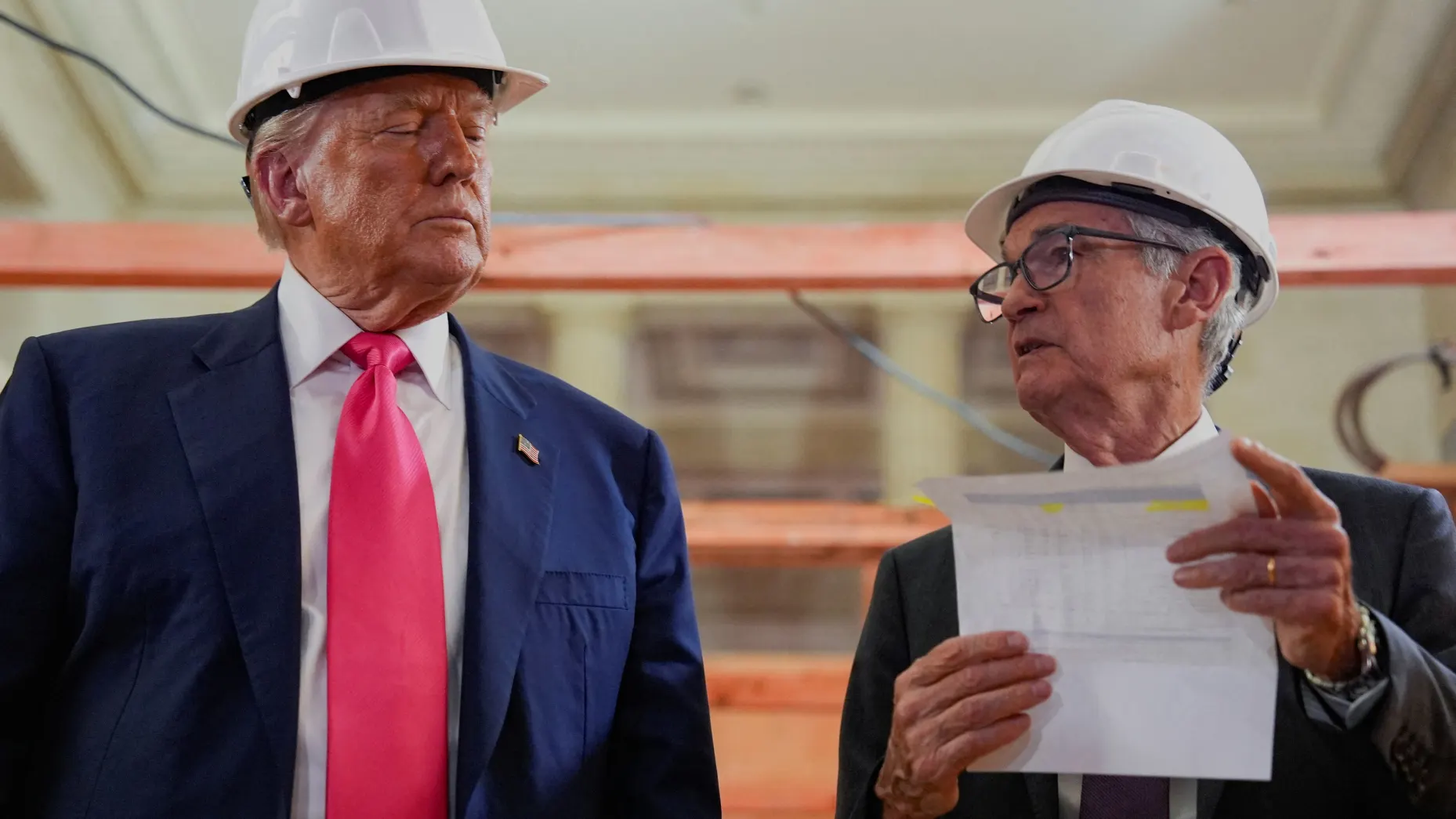
President Donald Trump intensified his verbal assault on Federal Reserve Chair Jerome Powell on Tuesday, labeling him either "incompetent" or "crooked" while defending a Justice Department investigation that has triggered widespread concern over the central bank's political independence.
Speaking to reporters outside the White House, Trump tied his criticism to cost overruns in the Fed's headquarters renovation—the subject of the DOJ probe—stating, "He's billions of dollars over budget... He either is incompetent or he's crooked." Later in Michigan, he called Powell "that jerk" and predicted, "He'll be gone soon."
The comments came amid growing bipartisan pushback against the investigation. JPMorgan Chase CEO Jamie Dimon warned that undermining Fed independence "will have the reverse consequences, it will raise inflation expectations and probably increase rates over time." Republican Senator John Kennedy (R-La.) called the confrontation something "we need this like we need a hole in the head."
Trump dismissed Dimon’s concerns, suggesting the banker might favor higher rates for profit motives. Meanwhile, Treasury Secretary Scott Bessent reportedly warned the President that the probe could complicate plans to confirm Powell’s successor when his term expires in May.
Legal Standoff Continues
U.S. Attorney Jeanine Pirro signaled no retreat, posting on X that her office’s actions were prompted by the Fed’s failure to respond to earlier inquiries. "None of this would have happened if they had just responded to our outreach," she wrote, emphasizing that decisions are "based on the merits."
Powell, in a Sunday video, framed the investigation as retaliation for the Fed resisting White House pressure on interest rates, asserting, "The threat of criminal charges is a consequence of the Federal Reserve setting interest rates based on our best assessment of what will serve the public, rather than following the preferences of the President."
Trump has denied any link between his rate criticisms and the DOJ's actions, telling NBC News, "What should pressure him is the fact that rates are far too high. That's the only pressure he's got."
The escalating conflict places the long-standing norm of Fed independence under unprecedented strain, with financial leaders and lawmakers cautioning that political interference could destabilize monetary policy and market confidence.
Recent
News



Newsletter
Subscribe to our mailing list to get the new updates!

Subscribe our newsletter to stay updated
Most
Reviews
Finance
More News

Markets

- Wed, 28 Jan 2026
HCI Group (HCI) Gains As Market Dips: What You Should Know
Markets

Markets